Is it safe to share UPI ID? Yes. Your UPI ID is meant to be shared, the same way you share a phone number to get a call. Someone who has it can send you money, but cannot take money out of your account. Every debit needs your UPI PIN.
The real risk is not the ID itself. It is a scammer using your ID, phone number or a convincing story to get you to enter your PIN or share an OTP. If you never enter your PIN to receive money, sharing your UPI ID is safe. This guide explains exactly what others can and cannot do, what is safe and unsafe to share, the scams that use your UPI ID, and what to do if something goes wrong. More guides are on the UPI guides hub.
Quick answer: what is safe to share
| Item | Safe to share? | Why |
|---|---|---|
| UPI ID (VPA) | Yes | Only used to receive money |
| QR code for receiving | Yes | Contains your UPI ID |
| UPI reference number | Yes | A record of a payment |
| UPI PIN | Never | Authorises debits |
| OTP | Never | Used to set up UPI or reset PIN |
| Debit card number, expiry, CVV | Never | Can be used to set or reset UPI PIN |
| Screen access (screen-sharing apps) | Never | Lets a stranger see your PIN and OTPs |
What someone can do with your UPI ID
- Send money to you.
- See the name linked to your bank account when they enter the ID, as apps show it before payment.
- If they are a merchant or biller, send a payment request through a merchant flow, which you can accept or decline.
Before October 2025, any person could also send you a “collect” request asking you to pay. NPCI stopped person-to-person collect requests on UPI from 1 October 2025, so another individual can no longer pull money by sending you a request. Person-to-person payments are now always started by the payer.
What someone cannot do with your UPI ID
- Debit your account without your UPI PIN.
- See your balance or statement.
- Change your PIN or link your account to their phone. UPI setup needs your registered mobile number in the device and verification with your bank.
Note that if your UPI ID is your phone number, sharing the ID also shares your number. Many apps let you create an ID that does not include your phone number if you prefer. See our guides to create a UPI ID in PhonePe and create a UPI ID in Google Pay.
Is it safe to share UPI ID in these situations?
| Situation | Safe? | Extra care |
|---|---|---|
| Friend or family sending you money | Yes | None |
| Customers paying your shop | Yes | Confirm credits in your own app, not the customer’s screen |
| Buyer on a selling website | Yes | Never enter a PIN or scan their QR to “receive” |
| Posting on social media for donations | Yes, with care | Use an ID without your phone number; expect spam |
| A caller “from the bank” asks for it with an OTP | Hang up | Banks never ask for OTP or PIN |
Scams that use your UPI ID
The “enter PIN to receive” trick
A buyer says they will pay you and sends a link, request or QR code. The screen asks for your PIN. Entering it sends money to them. Receiving money never needs a PIN.
The fake QR code
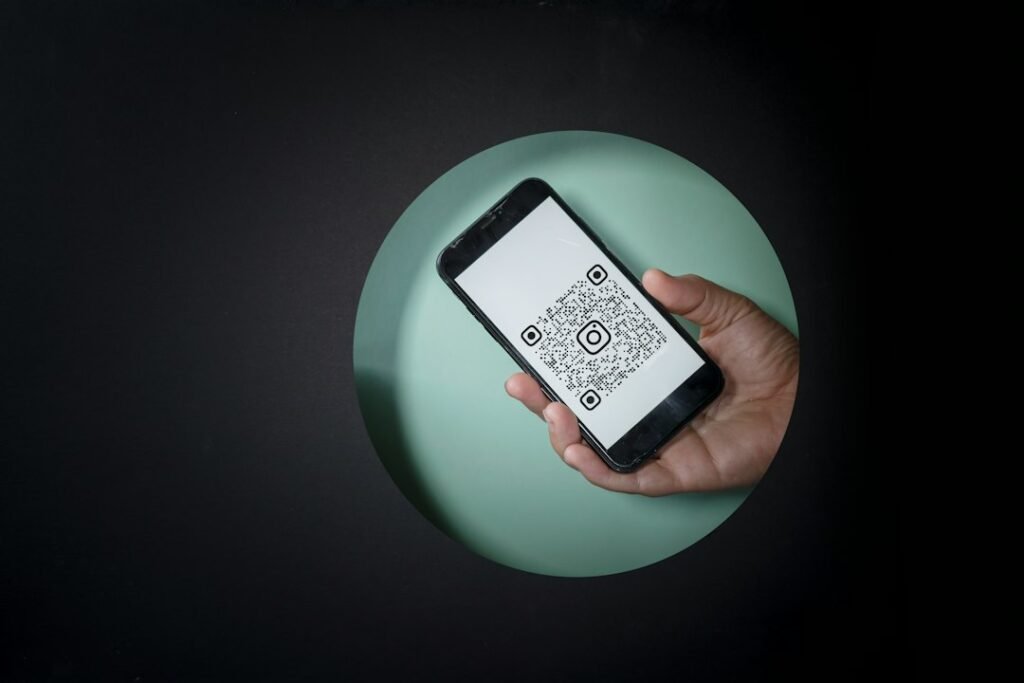
You are asked to scan a QR code to “receive” money. Scanning a QR is for paying, not receiving.
The mistaken payment story
Someone sends a fake SMS showing a credit and asks you to return the “extra” money. Always check your actual balance in your bank app first.
Fake support calls
A caller quotes your UPI ID to sound official and asks for an OTP or to install a screen-sharing app. Hang up and use the help section inside your app.
Example: you list an old sofa for ₹8,000 online. A “buyer” agrees instantly without seeing it, asks for your UPI ID, then sends a QR code and says “scan and enter your PIN to receive ₹8,000”. If you do, ₹8,000 leaves your account. A genuine buyer just pays to your UPI ID; you do nothing except check your bank app for the credit.
Safety tips when you share your UPI ID
- Never enter your UPI PIN to receive money.
- Decline any payment request you did not expect.
- Check the receiver name before you pay anyone.
- Confirm credits in your bank app, not by screenshots or SMS forwarded by others.
- Use a separate UPI ID or bank account with a low balance for selling online, if you want extra safety.
- Set a lower daily UPI limit in your app if it offers one. See maximum limit of UPI.
- If anything goes wrong, call 1930 and your bank right away.
Common mistakes
- Thinking a UPI ID is secret and refusing genuine payments, while freely sharing OTPs on calls.
- Sharing a screenshot that shows your full bank account number along with the UPI ID.
- Believing “you have received money” SMS from unknown numbers.
- Calling helpline numbers from search results instead of the app’s own help section.
If you suspect misuse
If you entered your PIN by mistake, change it at once and report the payment. Under RBI’s current rules, reporting an unauthorised debit within 3 working days matters for your liability; revised RBI rules for transactions from 1 January 2027 use a five-calendar-day window. Our guides on UPI fraud complaints and how to report a UPI transaction explain each step. If you only received a suspicious call or SMS and lost no money, report it on the Chakshu facility of the Sanchar Saathi portal.
FAQs: is it safe to share UPI ID?
Can someone hack my account with my UPI ID?
No. The ID alone cannot be used to debit money. Your PIN is required for every payment.
Is it safe to post my UPI ID publicly?
It is safe from a payment point of view, but expect spam calls and messages. If your ID shows your phone number, consider using a different ID.
Can a stranger send me a payment request?
Not as a person-to-person collect request since 1 October 2025. Merchants may still send requests through their own flows. Decline anything you did not expect.
Can I block spam from strangers?
Many apps let you block a sender or report spam. The option may vary by bank/app; check in your app.
Is sharing my QR code the same as sharing my UPI ID?
Yes. A receiving QR code contains your UPI ID and is equally safe to share.
Should I change my UPI ID if I shared it with a scammer?
Not necessary if you shared only the ID. If you shared a PIN, OTP or card details, change the PIN, call your bank and report on 1930. You can also delete a UPI ID and create a new one if you want.
Conclusion
Sharing your UPI ID is safe. Sharing your PIN, OTP or card details is not. Remember one rule: if a screen asks for your PIN, money is leaving your account. More guides: UPI transaction ID and the UPI guides hub.
Sources: NPCI UPI overview; The Week on end of P2P collect requests; National Cyber Crime Reporting Portal; RBI customer liability circular (2017); FoxMandal on RBI’s June 2026 directions; Factly on Chakshu.
This guide is for general information only. Limits and features can change; check your bank or UPI app for the latest details. FIIAndDIIData.com is not affiliated with NPCI or any UPI app.