A UPI transaction ID is the unique code that identifies one UPI payment. Most apps show two codes: the UPI reference number (also called UTR or RRN), which is a 12-digit number, and an app transaction ID, which is a longer mix of letters and numbers created by the app.
For tracking a payment with a bank, a merchant or a complaint team, the 12-digit UPI reference number is the one that matters. It appears in your app, your bank statement and often in the bank SMS. This guide explains the different IDs, where to find each one, how to use them in real situations, and what to do when the number is missing. More UPI help is on the UPI guides hub.
Quick answer: types of UPI transaction ID
| Code | Format | Who creates it | Use it for |
|---|---|---|---|
| UPI reference number (UTR / RRN) | 12 digits | Generated for the UPI transaction, same at both banks | Bank queries, merchant proof, complaints |
| App transaction ID | Longer alphanumeric; varies by app | The UPI app | Support tickets inside that app |
| Order ID | Varies | The merchant | Refunds with the merchant |
Why the UPI transaction ID matters
- It proves a payment was made, with date, time and amount.
- The receiver can search it in their bank or merchant dashboard.
- Every complaint, from the app to the RBI Ombudsman, asks for it.
- It separates two payments of the same amount on the same day.
- Businesses use it to match payments with invoices.
Because the same 12-digit number is recorded at your bank and at the receiver’s bank, it is the one code both sides can look up. The app’s own transaction ID usually only means something inside that app.
Where to find the UPI transaction ID
In any UPI app

- Open the app you paid from.
- Go to transaction history or payment history.
- Tap the payment.
- Look for UPI Ref No., UPI Reference ID, UTR or Transaction ID. Labels vary by app.
- Long-press or use the copy icon to copy it.
If you see two numbers, pick the one that is exactly 12 digits with no letters. That is the UPI reference number.
In your bank statement or passbook
UPI entries usually show “UPI” followed by the 12-digit reference and part of the receiver’s name or UPI ID. Format depends on the bank. This is useful if you changed phones or cleared app history.
In the bank SMS
Many banks include the UPI reference in the debit or credit SMS. Some do not; check the app if it is missing.
For money you received
The same 12-digit number appears in your app’s history and your bank statement for a credit. Ask the payer for their number if you cannot see the credit, and compare.
How to use a UPI transaction ID
- Payment not received by someone: send them the 12-digit number so their bank can trace it.
- Failed payment with a debit: quote it in the in-app complaint. See UPI transaction failed.
- Refund from a merchant: give it with your order ID. See UPI refund complaint.
- Fraud report: give it to 1930, your bank and the cybercrime portal. See UPI fraud complaint.
- Business records: note it against invoices for reconciliation.
Example: tenant and landlord

You pay rent of ₹15,000 by UPI on the 1st. Your landlord says the money did not come. Your app shows “Success” with a 12-digit UPI Ref No. Send that number with the date and time. Your landlord’s bank can search its records with it. If the bank finds the credit, the issue is solved in minutes; if not, you raise a complaint in your app on that transaction with the same number.
Example: shopkeeper checking a payment
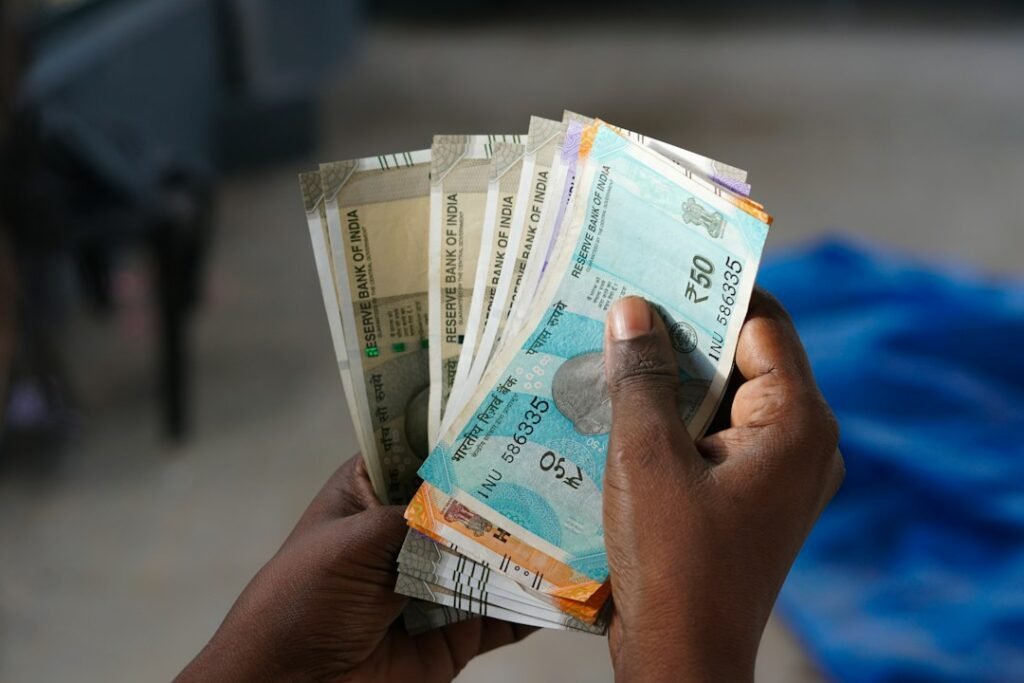
A customer shows a “payment successful” screen for ₹2,400. Before handing over goods, the shopkeeper should check the credit in their own bank or merchant app, not the customer’s phone. Matching the UTR on the customer’s screen with the credit entry confirms it is real.
Can someone misuse your UPI transaction ID?

No one can take money from your account with a UPI reference number alone. It is a record, not a key. Payments always need your UPI PIN. Still, scammers may use real transaction details to make a fake story more believable, so do not act on calls that quote your transaction and then ask for an OTP or PIN. Our guide is it safe to share UPI ID covers the same idea for your UPI ID.
Common mistakes
- Giving the app’s long transaction ID to a bank, which cannot search it.
- Trusting a payment screenshot without checking your own account.
- Sharing the UTR together with an OTP or PIN with a “support agent” who called you.
- Not saving the number for large payments such as rent, fees or deposits.
Common problems and fixes
| Problem | Fix |
|---|---|
| No reference number on a failed payment | Some failed attempts do not get one. Use date, time and amount in your complaint. |
| Receiver’s bank cannot find it | Check you sent the 12-digit UTR, not the app ID. |
| History cleared or app changed | Download a bank statement; the reference is listed there. |
| Fake payment screenshot received | Confirm in your own bank app or statement before handing over goods. |
| Two payments with the same amount | Use the UTR and time to tell them apart. |
FAQs on UPI transaction ID
How many digits is a UPI transaction ID?
The UPI reference number (UTR) is 12 digits. App transaction IDs are longer and vary by app.
Are UTR and UPI reference number the same?
For UPI payments, apps and banks use both names for the same 12-digit number.
Can I check payment status with a UPI transaction ID?
Yes, inside your app or by asking your bank. There is no public site where anyone can check it.
Is it safe to share it?
Yes, with the receiver, merchant or bank. It cannot be used to debit your account.
Is the UPI transaction ID the same as the order ID?
No. The order ID is the merchant’s own number. Give both when asking a merchant for a refund.
How long can I find old UPI transaction IDs?
App history limits may vary by bank/app; check in your app. Your bank statement keeps the reference for older payments.
Conclusion
Keep the 12-digit UPI reference number for any payment that matters. It is the fastest way to prove, trace or dispute a UPI transaction. For complaints, see how to report a UPI transaction, and browse the UPI guides hub.
Sources: Razorpay on UPI reference number; NPCI dispute redressal; NPCI UPI overview.
This guide is for general information only. Limits and features can change; check your bank or UPI app for the latest details. FIIAndDIIData.com is not affiliated with NPCI or any UPI app.