PhonePe Wallet vs UPI Lite comes down to one question: where does the money sit? UPI Lite is a small balance linked to your bank account, capped at ₹5,000, that lets you pay up to ₹1,000 without a PIN. The PhonePe Wallet is a prepaid wallet (a PPI under RBI rules) that you load separately, and its limits depend on your KYC level.
For quick small payments, UPI Lite is usually simpler. The wallet is handy when you receive refunds or cashback into it, or when you want to keep spending money fully separate from your bank account. This guide compares the two point by point, with real examples, common mistakes, safety tips and what to do if something goes wrong.
PhonePe Wallet vs UPI Lite: quick comparison table
| Point | UPI Lite | PhonePe Wallet |
|---|---|---|
| What it is | A feature of UPI, funded from your bank | Prepaid wallet issued under RBI PPI rules |
| Who regulates the limits | RBI and NPCI | RBI (PPI Master Direction) |
| Maximum balance | ₹5,000 | Up to ₹10,000 for minimum-KYC wallets; up to ₹2 lakh for full-KYC wallets |
| Per-payment cap | ₹1,000 | Depends on wallet type; may vary by app |
| PIN per payment | Not needed | Depends on app settings and amount |
| Extra KYC | No (your bank KYC is enough) | Yes for full-KYC wallet |
| Send to a bank account | Only by moving back to your own bank | Not allowed on minimum-KYC wallets |
| Works at any UPI QR | Yes, where the app supports Lite | Full-KYC wallets must be interoperable; may vary by app |
| Cost to add money | Free from your bank | Some methods, such as credit card, may carry a fee |
The short version: UPI Lite is a fast lane for small spends from your own bank balance, while the wallet is a separate pot of money held by the wallet issuer.
How UPI Lite works
You turn on UPI Lite in the PhonePe app (or any app that supports it), add money from your bank with your UPI PIN, and then pay small amounts without the PIN. Since December 2024, the per-payment limit is ₹1,000 and the balance can be up to ₹5,000. Auto top-up can refill it from your bank up to 5 times a day.
The money never leaves the banking system. It is like a small pocket of your own bank balance kept ready for fast payments. Your bank statement mostly shows the top-ups, while each small payment is listed in the app history. Full steps are in our guide on how to use UPI Lite.
- No separate KYC: your bank account KYC is enough.
- Payments above ₹1,000 automatically go through normal UPI with your PIN.
- NPCI asked apps to let users move the Lite balance back to the bank (deadline 31 March 2025); the exact option may vary by app.
How the PhonePe Wallet works
A wallet is a prepaid payment instrument. You load money into it from a bank account, card or UPI, and the wallet company holds that money. RBI rules set two broad wallet types:
- Minimum-KYC (small) wallet: balance up to ₹10,000. It can be used for purchases, but not for fund transfers or cash withdrawal.
- Full-KYC wallet: balance up to ₹2 lakh, with more features such as transfers.
Refunds and cashback on PhonePe may land in the wallet or in other forms such as gift vouchers, depending on the offer. Check the offer terms in the app. For the exact wallet caps, see our PhonePe wallet limit guide.
Note: the RBI released draft new PPI rules in April 2026 (comments were open till 22 May 2026). The draft keeps the ₹2 lakh full-KYC balance limit and ₹10,000 for small PPIs, and proposes a ₹25,000 monthly cap on peer-to-peer transfers. Final rules may differ, so check your app.
PhonePe Wallet vs UPI Lite: key differences explained
1. Setup effort
UPI Lite takes a minute if your bank supports it. A full-KYC wallet needs extra KYC steps on top of your bank KYC.
2. Spending limits
UPI Lite is built for small amounts: ₹1,000 per payment. A full-KYC wallet can hold far more, so it suits people who want to park a bigger amount for app spends.
3. Where the money is held
UPI Lite money comes from your bank account and stays linked to it. Wallet money sits with the wallet issuer. Wallet balances do not earn bank interest.
4. Loading costs
Adding money to UPI Lite from your bank is free. Loading a wallet with some methods, such as a credit card, may carry a fee. This may vary by app; check in your app before loading.
5. Sending money to people
A minimum-KYC wallet cannot be used for fund transfers. UPI Lite can pay contacts and QR codes within the ₹1,000 cap where the app allows it, but for larger transfers you use normal UPI from your bank.
Real examples: which one fits the situation
Example 1: daily small spends. You pay ₹30 for tea at 9 AM, ₹120 for an auto at 10 AM and ₹250 at a grocery shop in the evening. With UPI Lite, all three go through without a PIN from your Lite balance, and your bank statement stays clean. With a wallet, you would first need to load money into it.
Example 2: a ₹1,500 bill. This is above the ₹1,000 UPI Lite cap, so the app uses normal UPI and asks for your PIN. A full-KYC wallet could pay it from the wallet balance if you have loaded enough, subject to app limits.
Example 3: a ₹40,000 rent payment at 10 AM. Neither UPI Lite nor a small wallet is meant for this. Pay it with regular UPI from your bank account, within your bank’s daily UPI limit.
Example 4: a refund. If an order is cancelled and the merchant refunds to the source, a UPI Lite payment usually comes back to your bank-linked source as per the app’s process, while some offer cashback may land in the wallet. Check the refund details in the app.
Which one should you use?
| Your situation | Better choice |
|---|---|
| Many small QR payments every day | UPI Lite |
| Bank server fails at busy hours | UPI Lite |
| Want to avoid extra KYC | UPI Lite |
| Receive refunds or cashback in wallet | PhonePe Wallet |
| Want a spending pot fully separate from bank | PhonePe Wallet |
| No bank account linked to UPI | Wallet or other options; see below |
Many people keep both. They use UPI Lite for daily spends and leave the wallet for refunds that come back to it. If you do not have a bank account at all, UPI Lite is not an option because it is funded from a bank; read our guide on how to use UPI without a bank account.
Common mistakes to avoid
- Treating UPI Lite as a wallet. It is a UPI feature tied to your bank, not a separate prepaid product.
- Loading a wallet by credit card without checking the fee. Some methods may carry a charge; check in your app first.
- Keeping large balances in either. Neither earns bank interest on the spending pot, and both are exposed if your phone is unlocked.
- Uninstalling the app with a UPI Lite balance. Move the balance to your bank first.
- Expecting a minimum-KYC wallet to send money to a bank. It cannot; only full-KYC wallets allow transfers.
Safety tips
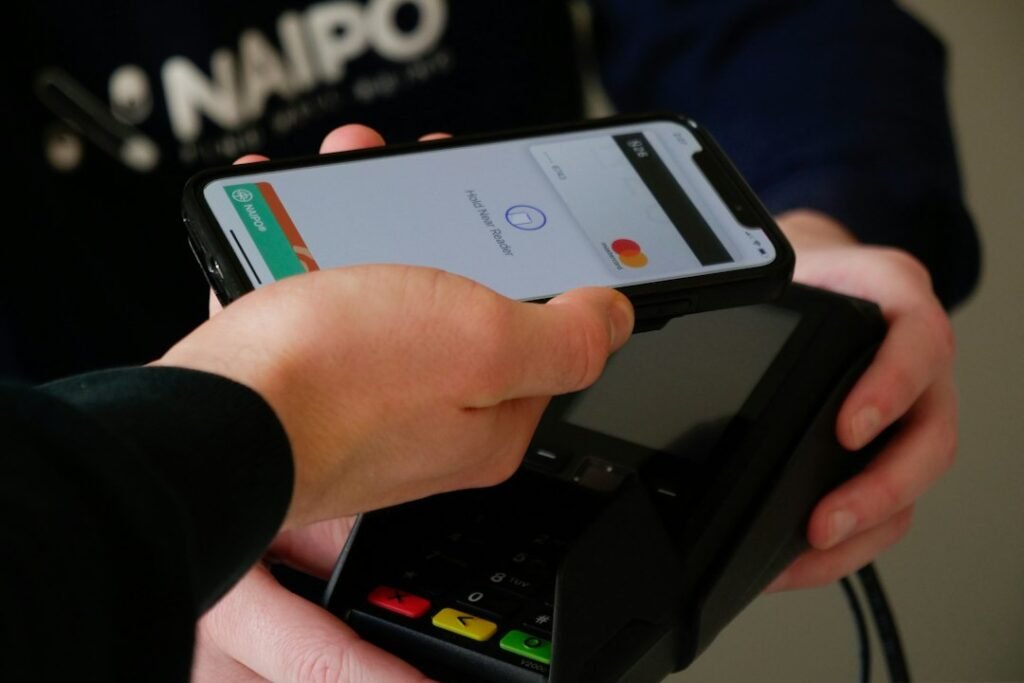
- Keep a phone screen lock and the PhonePe app lock on. Small PIN-free payments can be misused on an unlocked phone.
- Never share OTPs or your UPI PIN, even with someone claiming to be from PhonePe.
- Keep balances in both at a level you can afford to lose.
- Before switching phones, spend or move out your UPI Lite balance.
- Ignore links or calls offering to “upgrade” your wallet KYC for a fee. Do KYC only inside the official app.
What to do if something goes wrong
| Problem | What to do |
|---|---|
| UPI Lite option not showing | Update the app; your bank may not support it yet, so try another linked bank |
| Wallet payment failed but balance cut | Check the transaction status in app history and raise a complaint from that screen |
| Refund not received | Follow the steps in our UPI refund complaint guide |
| Phone lost or stolen | Contact your bank and the app’s support to block UPI and the wallet |
| Unknown debit or fraud | Report it quickly; see our UPI fraud complaint guide |
FAQs on PhonePe Wallet vs UPI Lite
Is UPI Lite a wallet?
No. It is a UPI feature linked to your bank account. A wallet is a separate prepaid product.
Can I add more than ₹5,000 to UPI Lite?
No. ₹5,000 is the maximum balance at any time.
What is the PhonePe Wallet limit?
Under RBI rules, a minimum-KYC wallet can hold up to ₹10,000 and a full-KYC wallet up to ₹2 lakh. Exact PhonePe limits may vary; check in your app.
Can I send wallet money to a bank account?
Not from a minimum-KYC wallet. Full-KYC wallets allow transfers, subject to app and RBI limits.
Do I need a PIN for UPI Lite payments?
No, not for payments up to ₹1,000. You need the UPI PIN only to add money by hand.
Is there a fee for using UPI Lite?
No. Adding money from your bank and paying with UPI Lite are free for users.
Which is safer?
Both are regulated by RBI. Safety mostly depends on your phone lock, app lock and never sharing PIN or OTP.
Conclusion
In the PhonePe Wallet vs UPI Lite choice, most people will find UPI Lite easier for small daily payments since it needs no extra KYC and draws from the bank. The PhonePe Wallet is useful for refunds and for a separate spending pot. Keep both balances small and your phone locked. For more, browse all our UPI guides or our personal finance section.
Sources: RBI, NPCI, Outlook Money (UPI Lite limits), Business Today (RBI draft PPI rules, April 2026), Angel One (UPI Lite transfer-out, Feb 2025).
This guide is for general information only. Limits and features can change; check your bank or UPI app for the latest details. FIIAndDIIData.com is not affiliated with NPCI or any UPI app.